There’s something magical about the chime of a 16-bit startup screen. That warm, electronic hum that promised adventure. Before the days of photorealistic graphics and 100GB downloads, gaming was defined by bits — and two distinct eras that shaped everything you play today. Let me take you back to a time when console wars weren’t fought over frame rates, but over something much simpler: how many bits your system had.

The 8-Bit Era: The Foundation
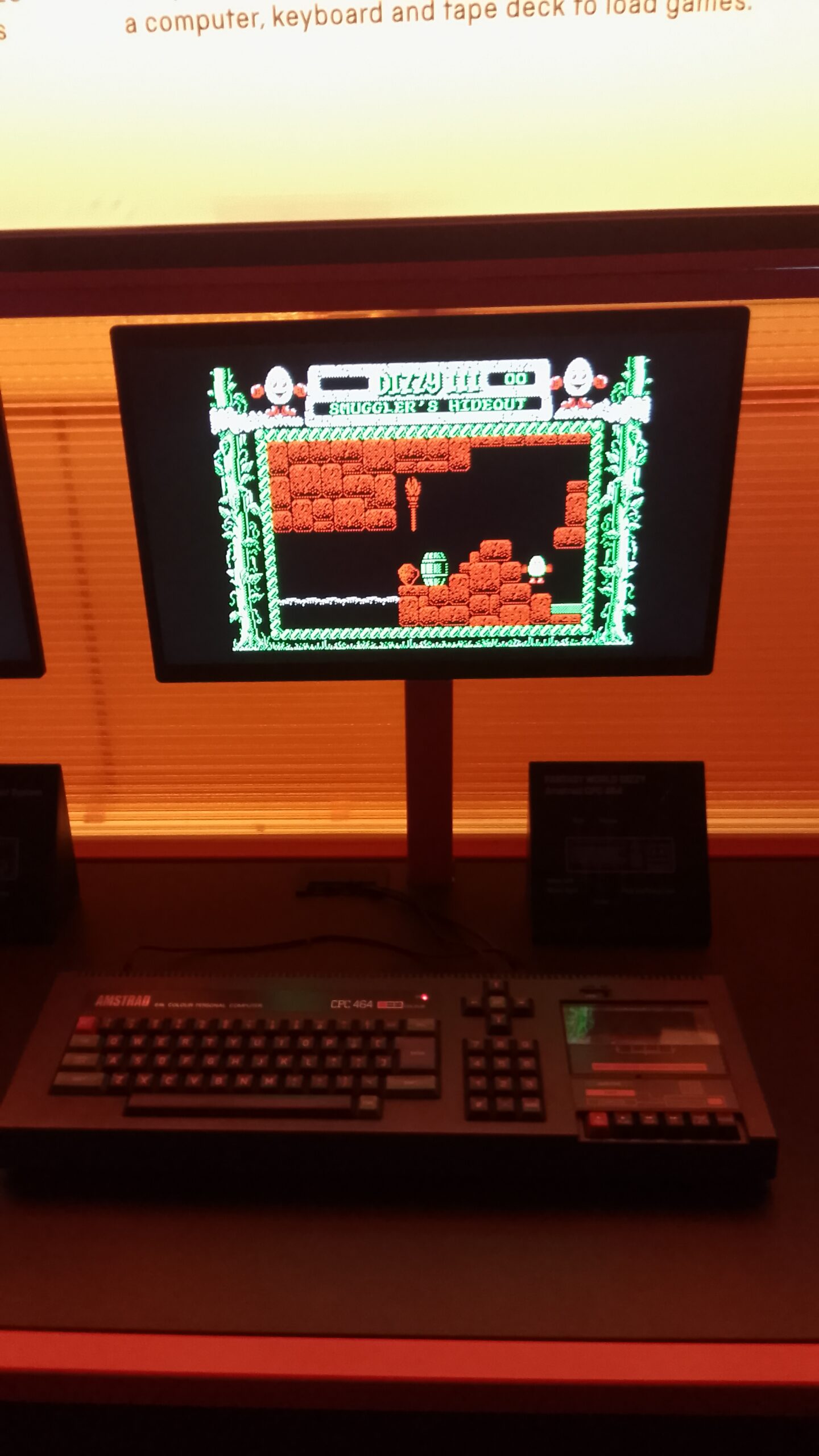
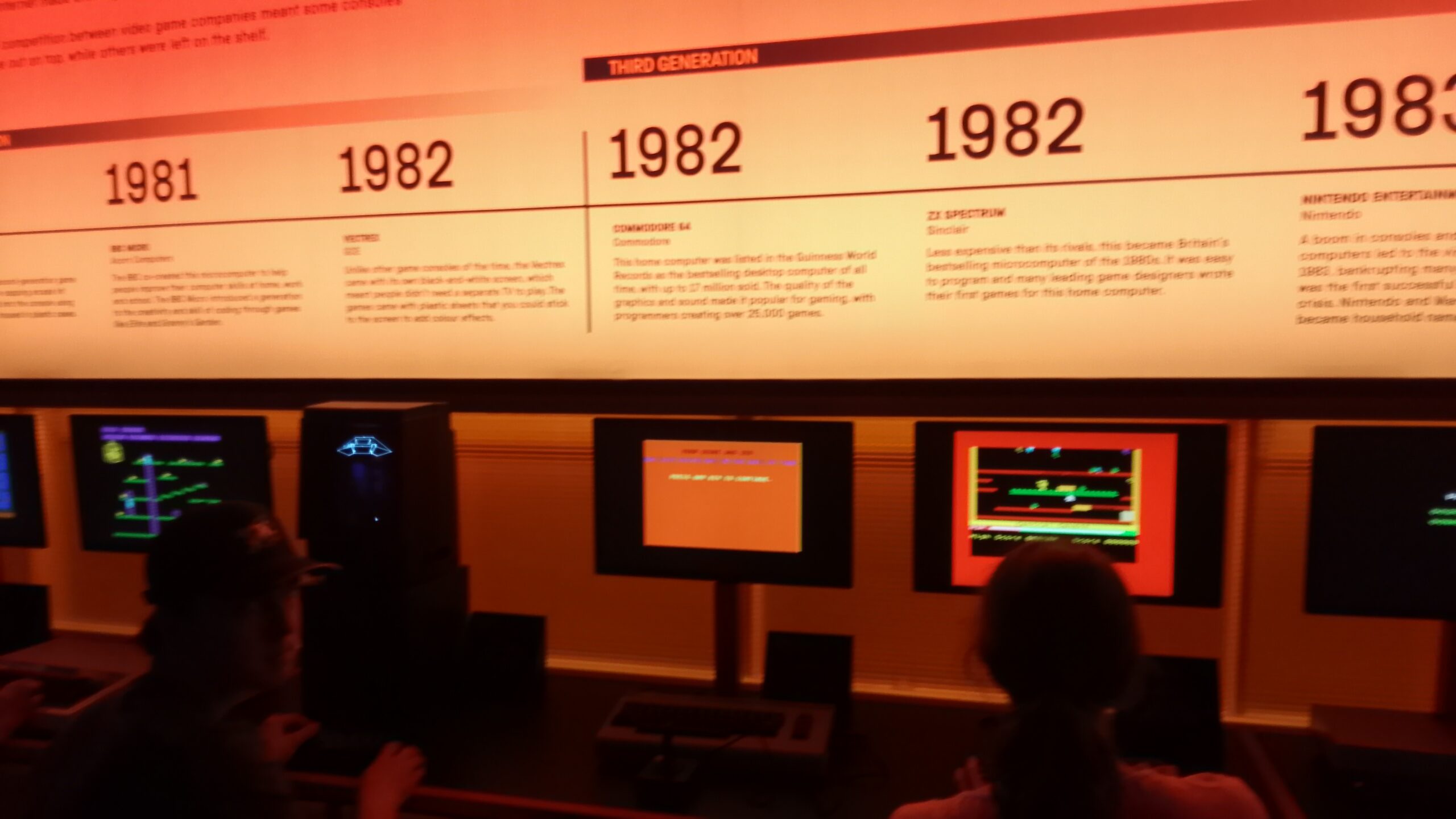
The 8-bit era, also known as the third generation of gaming, began in 1983. But here’s a fun fact: earlier consoles technically had 8-bit processors too. What made this generation different was how games were played. We moved from blocky, single-screen arcade experiences to smooth scrolling worlds with actual characters, thanks to sprite‑based graphics. The real game‑changer was the D‑pad. Suddenly, you could control Mario with precision, tiptoeing him toward that first mushroom like your life depended on it.
The Heavyweights of 8‑Bit
The undisputed king was the Nintendo Entertainment System (NES) . Released in Japan as the Famicom in 1983 and in North America in 1985, the NES single‑handedly revived a dead industry after the video game crash of 1983. Nintendo got clever with marketing too — they called it an “Entertainment System” not a “gaming console,” and the cartridges were “Game Paks.” Super Mario Bros., The Legend of Zelda and Metroid were all born here, and the system sold over 40 million units in its lifetime.
Then there was the Sega Master System, the underdog with swagger. Released in 1985, the Master System was technically superior to the NES — it offered better colour palettes, more memory, and even pseudo‑3D effects. But Nintendo’s ruthless licensing deals locked up most third‑party developers, leaving Sega struggling in North America and Japan. In Europe and Brazil, though, the Master System was a beast.
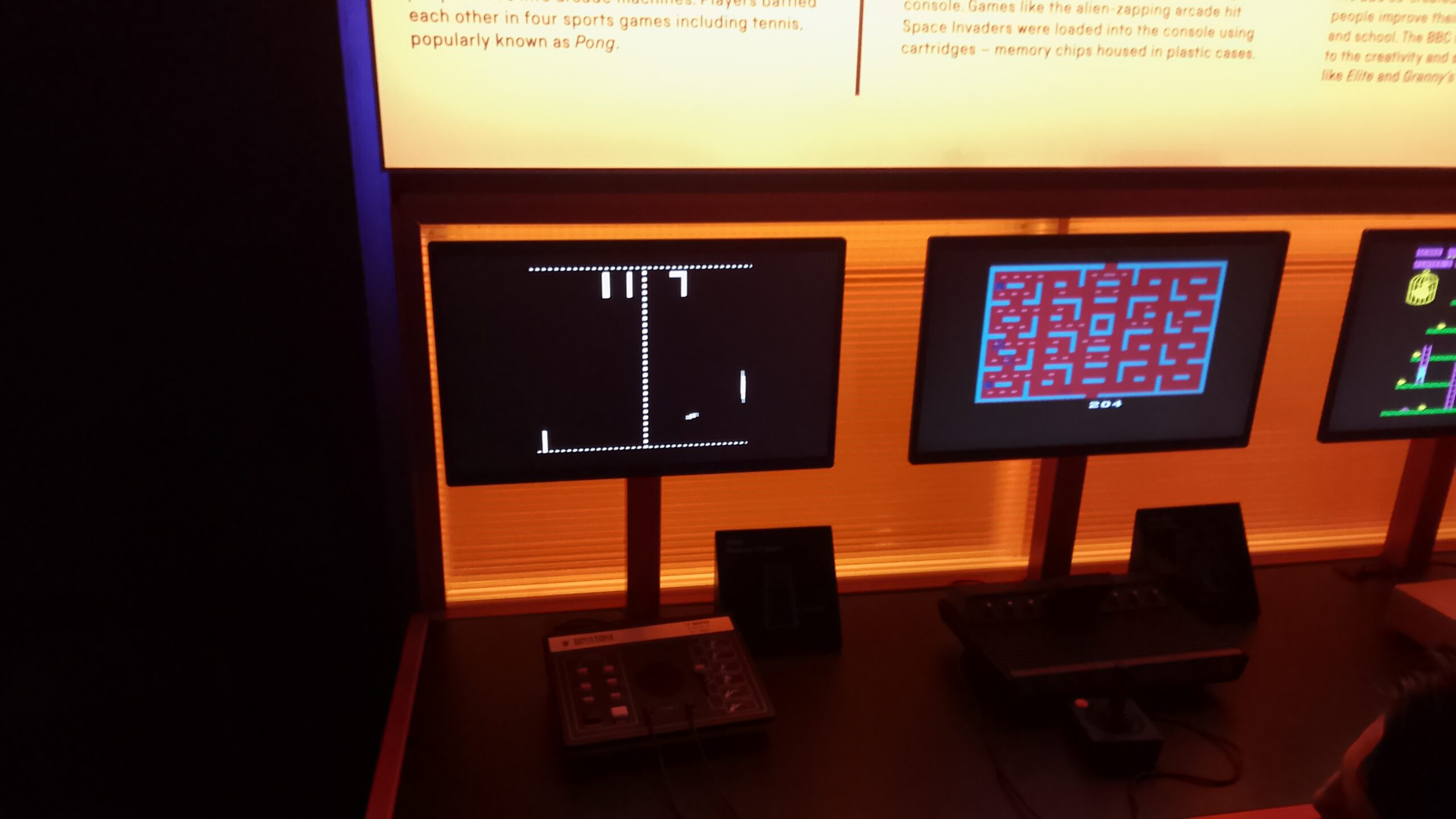
The Atari 7800 was the comeback kid. Originally slated for 1984, it didn’t actually launch until 1986 due to company sale complications. It had one killer feature: backward compatibility with Atari 2600 games — a first for consoles. But like Sega, Nintendo’s dominance left it in the dust. Finally, the SG‑1000 was Sega’s first attempt, released the exact same day as the Famicom in Japan on July 15, 1983. It didn’t sell well, but it laid the groundwork for the Master System that followed.
What 8‑Bit Actually Means
“8‑bit” refers to the CPU’s word size — basically, how much data the processor can handle in a single chunk. Think of it like a highway with eight lanes. An 8‑bit processor can process numbers from 0 to 255 in one go. That’s why old games have those charming limitations: only 25‑32 colours on screen, simple sound chips with about five audio channels, and resolutions around 256×240 pixels. But those limitations forced creativity. Developers had to design iconic melodies (hello, Mega Man 2) and unforgettable characters using just a handful of pixels.
The 16‑Bit Era: The Console Wars Begin
If 8‑bit was the foundation, 16‑bit was the revolution. This is where marketing got aggressive, mascots became cultural icons, and kids on playgrounds argued fiercely about whether Sega or Nintendo was better. The term “bit” became a marketing weapon during this era. Sega kicked things off by branding their new console as “16‑bit” — twice the power of the NES. Nintendo fired back, and suddenly “bits” were everywhere.
The 16‑Bit Titans
The Sega Genesis, known as the Mega Drive outside North America, was the cool kid. Released in Japan in 1988 and North America in 1989, the Genesis was the first true 16‑bit console. Sega’s marketing was aggressive and adversarial: “Genesis does what Nintendon’t” and that iconic “SEGA!” scream. They found their mascot in Sonic the Hedgehog — a blue blur designed to feel faster and edgier than Mario. The Genesis also made waves by keeping the gore intact in the Mortal Kombat port while Nintendo censored theirs. That move sold millions but also led to the creation of the ESRB rating system.
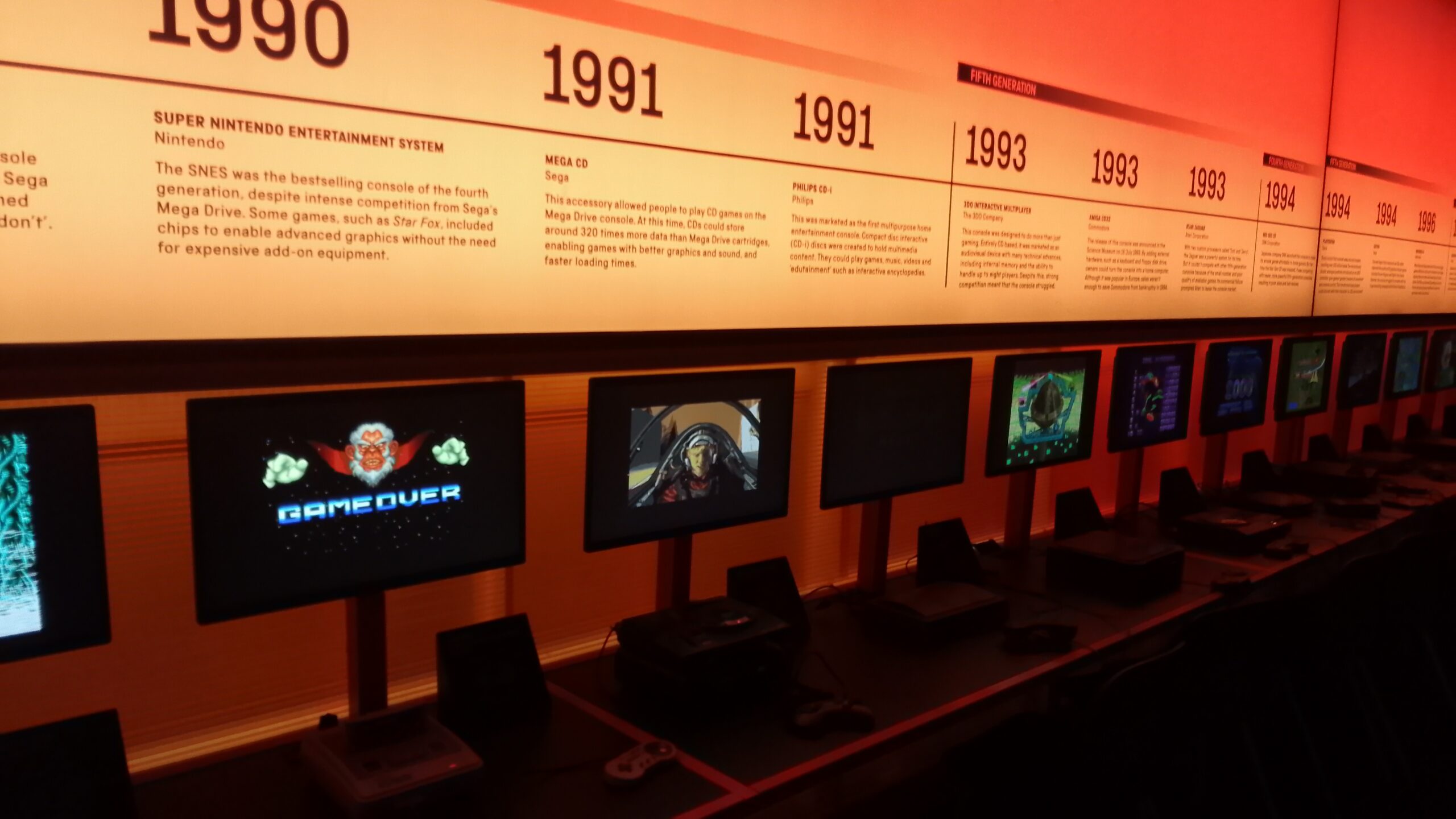
The Super Nintendo Entertainment System (SNES) was the perfectionist. Nintendo was initially reluctant to move to 16‑bit, but when they finally released the SNES in Japan in 1990 and North America in 1991, it was technically superior to the Genesis in key areas. It boasted better colour (up to 256 on screen versus the Genesis’s 64), advanced audio, and hardware support for Mode 7 graphics — that cool rotating and scaling effect seen in F‑Zero and Super Mario Kart. Games like The Legend of Zelda: A Link to the Past, Super Metroid and Donkey Kong Country showed what 16‑bit could really do. The SNES ultimately outsold the Genesis, but the war was fierce.
The TurboGrafx‑16, known as the PC Engine in Japan, was the oddball. Here’s where things get weird. NEC and Hudson Soft released the PC Engine in Japan in 1987 — technically the first 16‑bit console. But “16‑bit” was a marketing stretch. It actually had an 8‑bit CPU paired with two 16‑bit graphics chips. This hybrid design gave it impressive colour and sprite capabilities but lacked parallax scrolling. In Japan, it was a massive success, rivaling the Famicom. In North America, a delayed launch, weaker marketing, and a terrible pack‑in game (Keith Courage in Alpha Zones) doomed it against the Genesis. Still, it had gems like Bonk’s Adventure and Splatterhouse.
Finally, the Neo Geo was the rich kid’s console. Released by SNK in 1990, the Neo Geo was literally an arcade board you could plug into your TV. The graphics and sound were miles ahead of everything else — but the price was absurd: 650fortheconsoleand250 or more per game. Needless to say, only a niche audience could afford it.
What 16‑Bit Unlocked
A 16‑bit processor can handle numbers from 0 to 65,536 in a single cycle — 256 times more than an 8‑bit chip. In practice, this meant more colours: the Genesis could display 64 colours on screen while the SNES could do 256 from a palette of 32,768. It meant better sound: stereo audio, FM synthesis, and even streaming CD audio with add‑ons. It introduced parallax scrolling, where backgrounds moved at different speeds to create a sense of depth for the first time. And it allowed larger sprites and more on‑screen action. This was the era where games started looking and sounding like art.
The Bit Wars: Why It Mattered
Marketing executives knew exactly what they were doing. “16 > 8” is a simple message a ten‑year‑old can understand and weaponise on the playground. Sega started the “bit war” rhetoric, and Nintendo was forced to play along. Here’s the ironic truth: bits aren’t everything. The TurboGrafx‑16 proved that — its hybrid architecture was clever but couldn’t match the Genesis’s pure 16‑bit CPU in certain tasks. And later, the “bit wars” got ridiculous: the Atari Jaguar was marketed as 64‑bit (it used two 32‑bit chips in parallel), and some consoles claimed “128‑bit” through SIMD instructions. But honestly, the marketing worked. It gave us passion. It gave us rivalry. It gave us Sonic versus Mario.
The Legacy You Can Still Feel Today
Pick up your PlayStation 5 controller. See that D‑pad? That’s 8‑bit NES technology, refined over forty years. Play a modern 2D platformer like Celeste or Hollow Knight. Those tight controls, responsive jumps, and layered backgrounds stand on the shoulders of 16‑bit giants. The 8‑bit era saved gaming. The 16‑bit era made it a cultural phenomenon. So next time you boot up a retro collection or spot an NES Classic in a store, remember: those weren’t just consoles. They were time machines — and they built the world you play in today.

